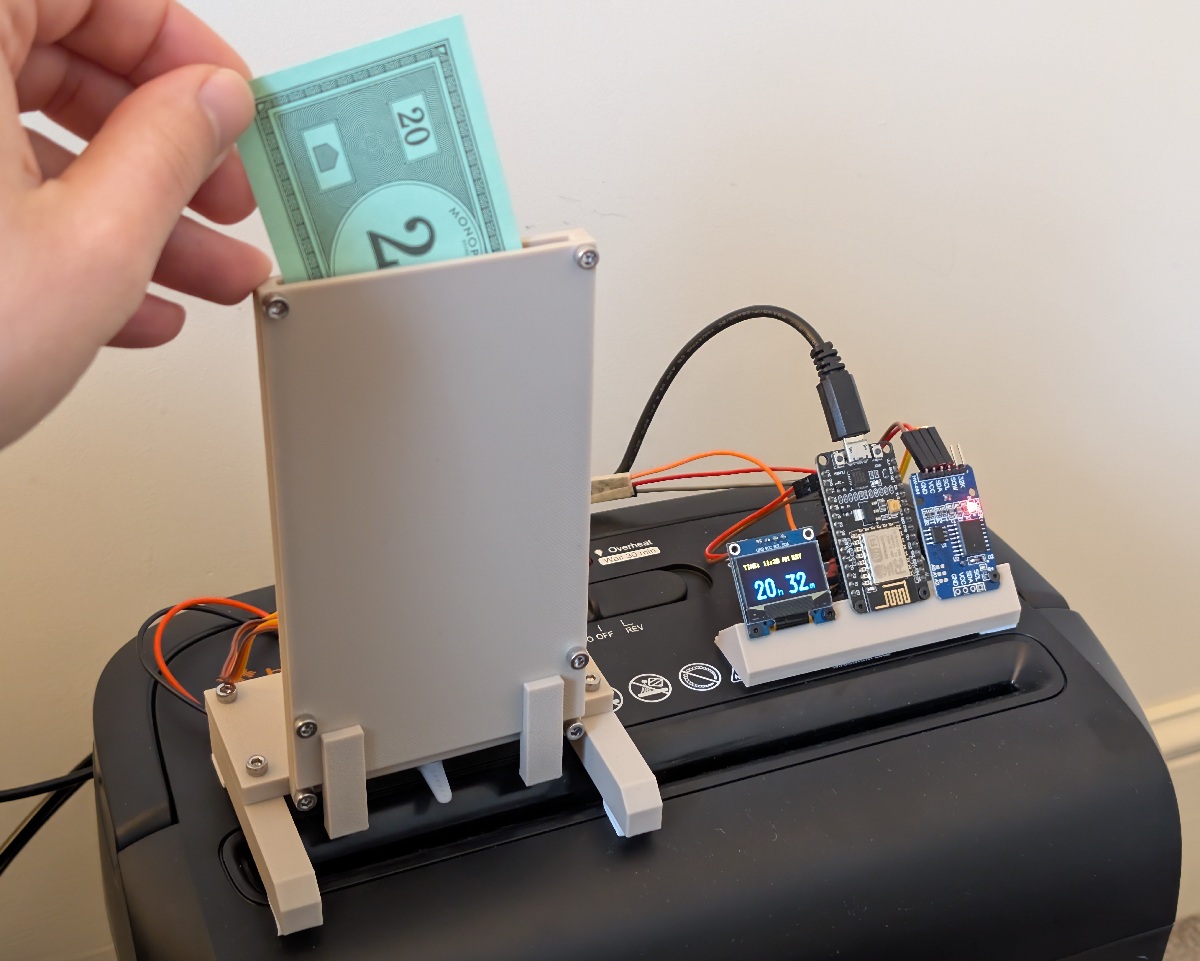
You snooze, you lose!
I like to sleep in. Is that a crime?
Well… maybe it should be. Maybe there should be a fine.

What exactly makes us get out of bed in the morning? Is it the quiet belief that today can be better than yesterday, that we’re still becoming, growing, and shaping a life that actually feels like ours?
Nope! It’s fear. I’m never late to work because I know bad things will happen. However, weekends are a different story.
I want to wake up on time, I really do. But that resolve is strongest the night before, and weakest the morning after. When I physically get out of bed, it’s very unlikely I go back to sleep. However, the activation energy to make that first step is incredibly high.
Something bad needs to happen if I don’t get out of bed.
Something needs to get shredded.
DISCLAIMER: Federal law 18 U.S.C. § 333 criminalizes the act of mutilating/defacing a U.S. banknote with intent to render it unfit to be reissued. DO NOT ATTEMPT.
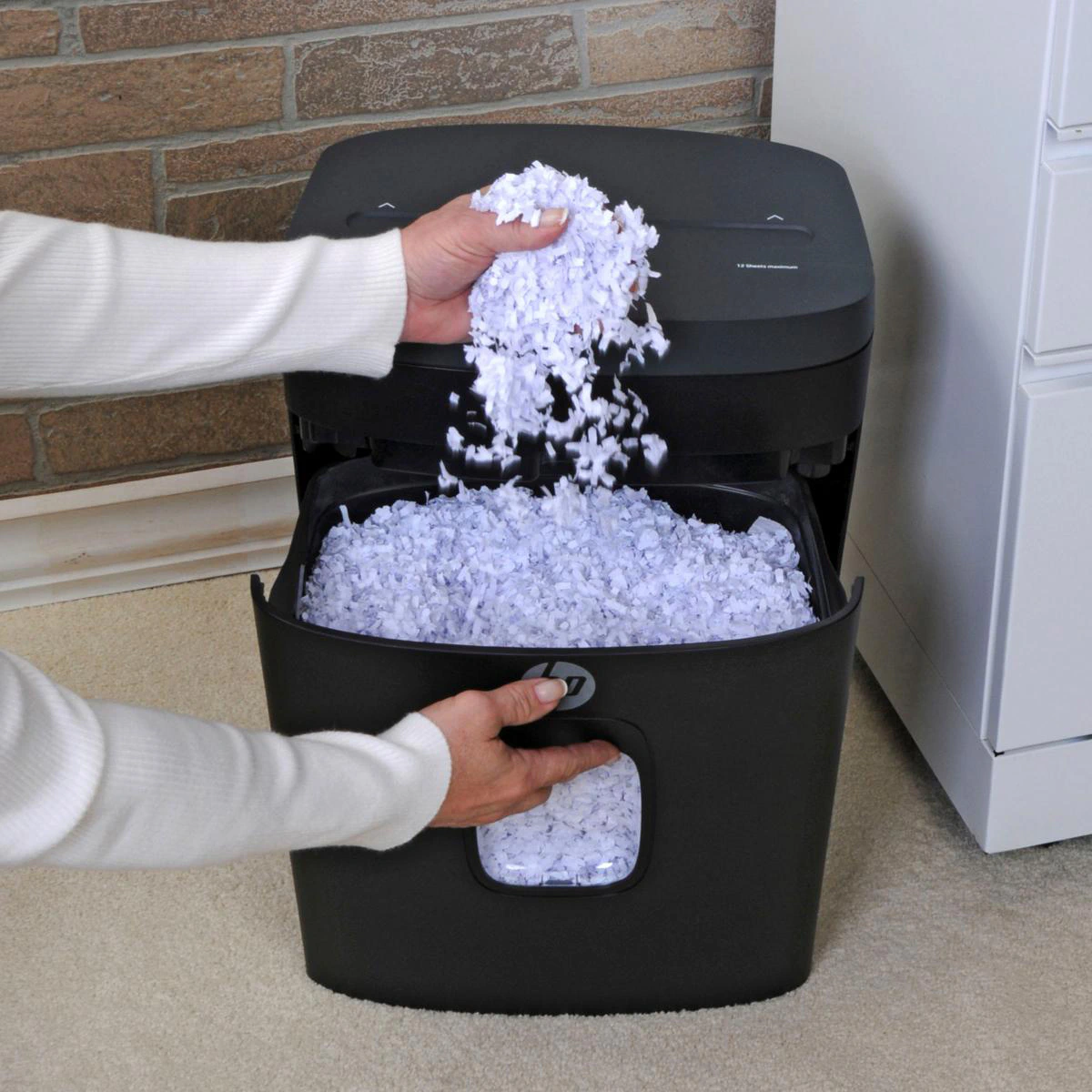
Micro-cut shredders are nifty little devices that turn one big piece of paper into lots of little pieces of paper. Aside from bleaching or burning, it’s a solid way to render information effectively unreadable. However, bleaching is messy and I would rather not automate anything related to combustion (for obvious reasons).
I must remind anyone reading this from the treasury department to notice the blog post publication date. This project was for entertainment purposes only. No currency was destroyed. We like to have fun here!
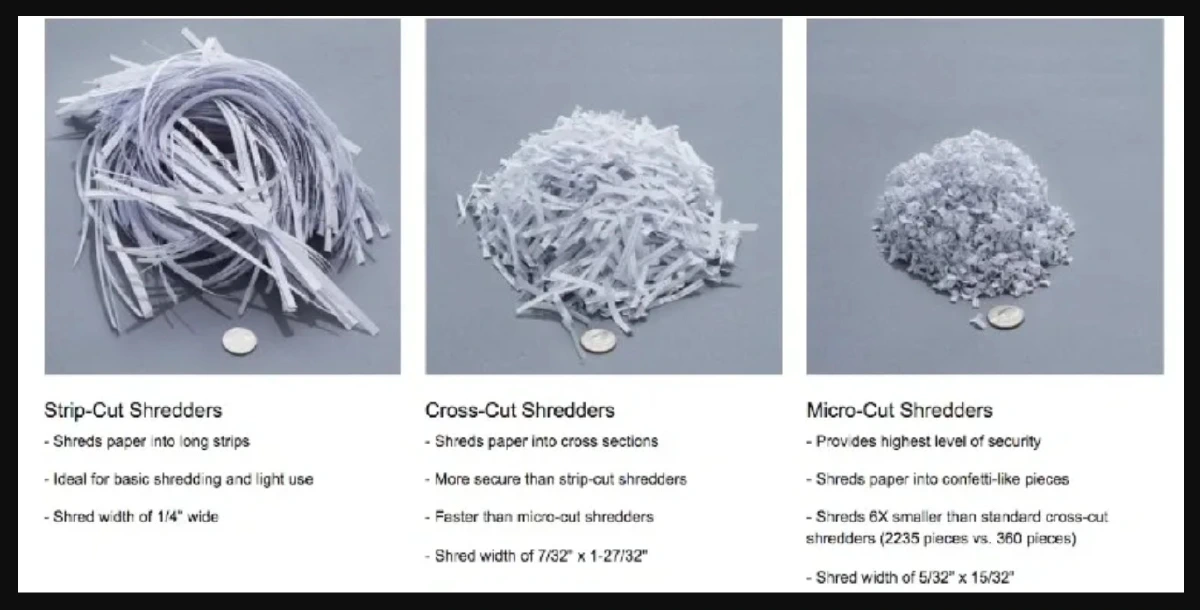
No banknotes were harmed in the making of this blog post.
How to automate a shredder:
-
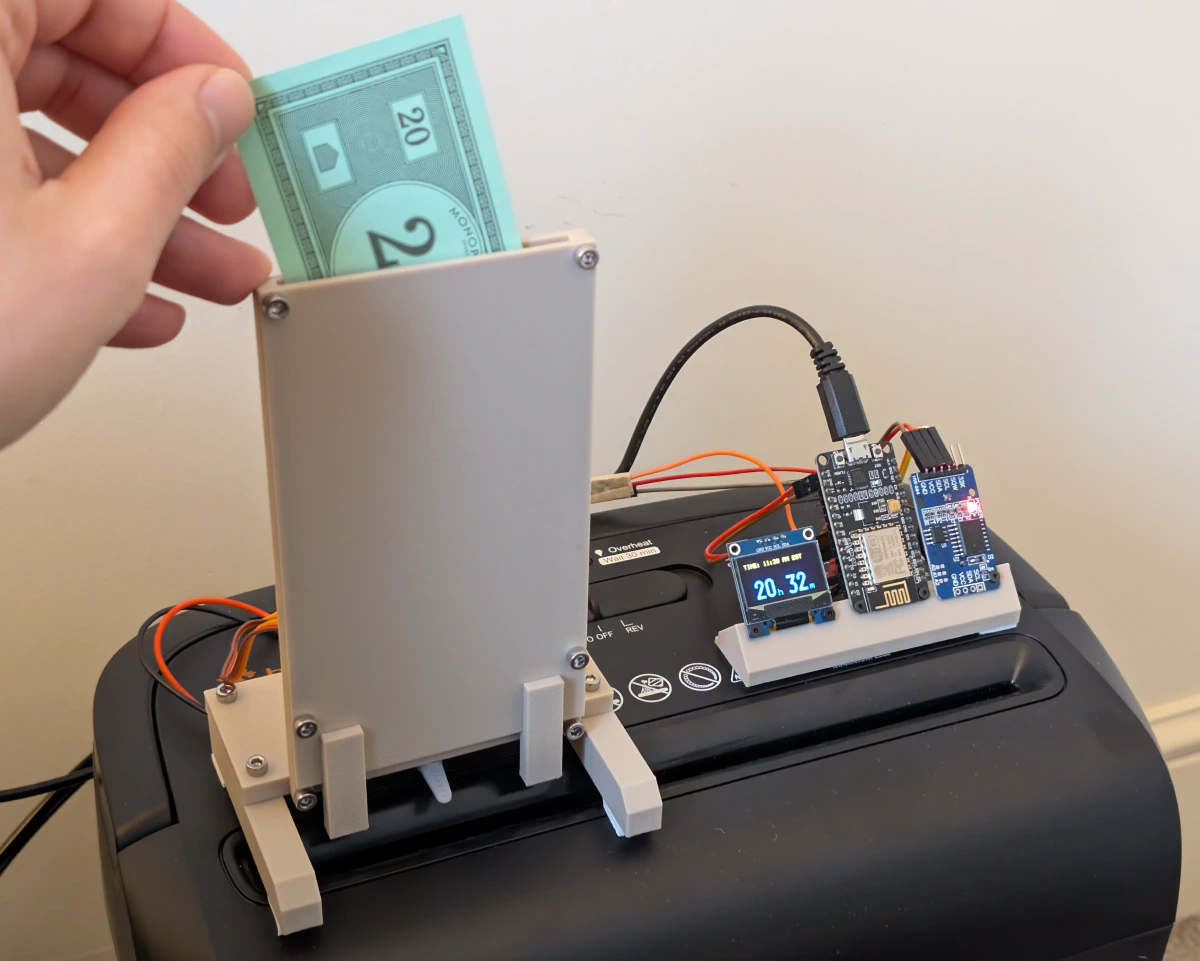
Load a hopper above the paper slot
-
Add a time-delay servo drop mechanism
-
Set the shredder to “Auto”
-
Release the document at the desired time
If we place the confetti clock in another room, then I must get out of bed before it’s too late.
Shredder Activation:
Most shredders have a break-beam sensor that detects documents automatically. When the light beam is broken by the paper, it spins the shredding mechanism.
However, my Bonsaii C234 micro-cut shredder does not have a break-beam sensor. Instead, it uses a spring-loaded mechanical limit switch. A single piece of paper does not have enough weight to depress the switch, so you must force-feed papers inside. Bummer.
But I’m not going to let a little limit switch get in my way. It’s time to void some warranties!
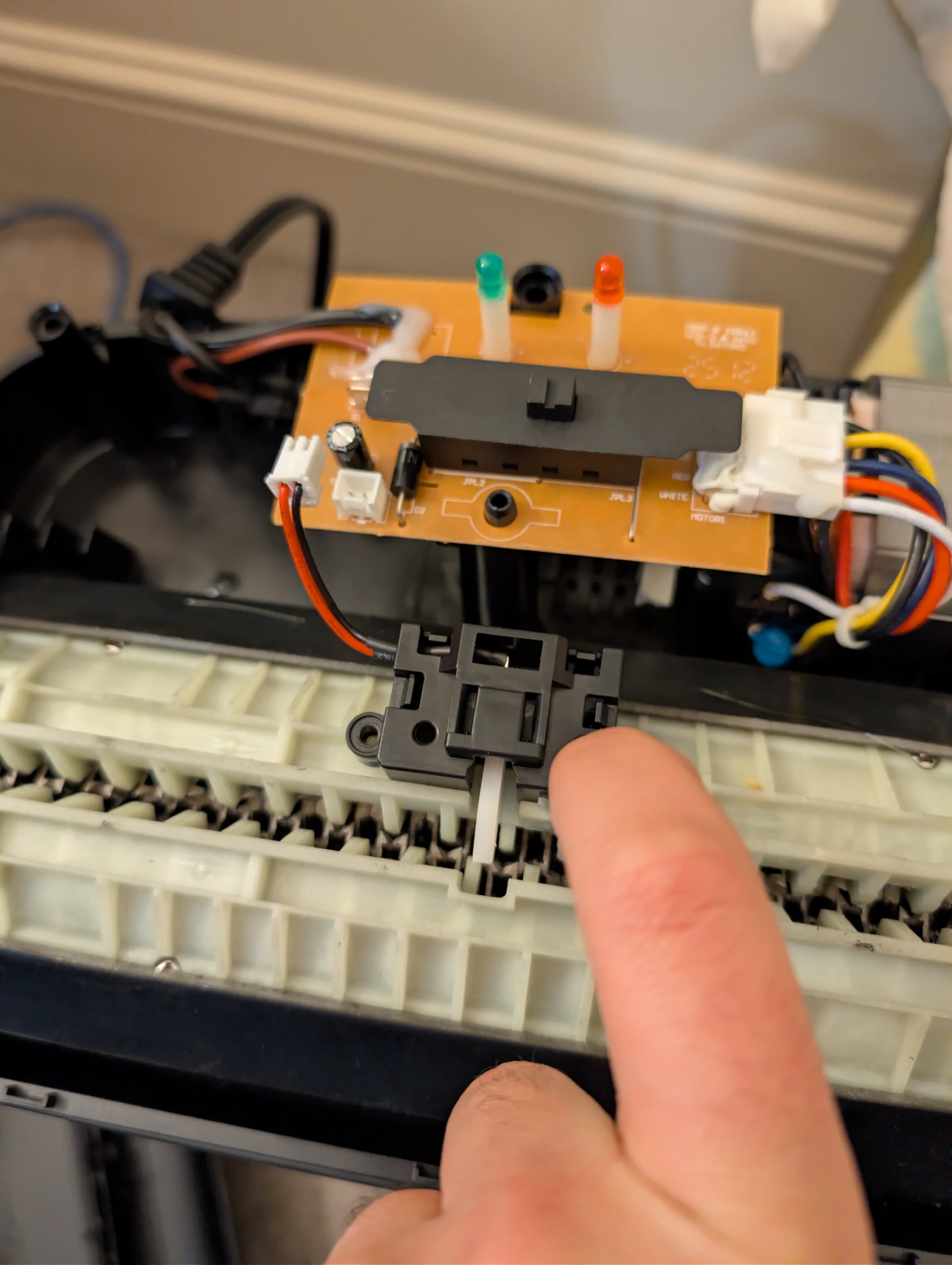
Taking apart AC powered devices with dozens of sharp blades is dangerous. Do not attempt.
The switch is connected to the control board via a JST connector. We can remove the existing limit switch and replace it with our own.
We need to make a hole in the outer case to pass the limit switch cable to the drop mechanism.
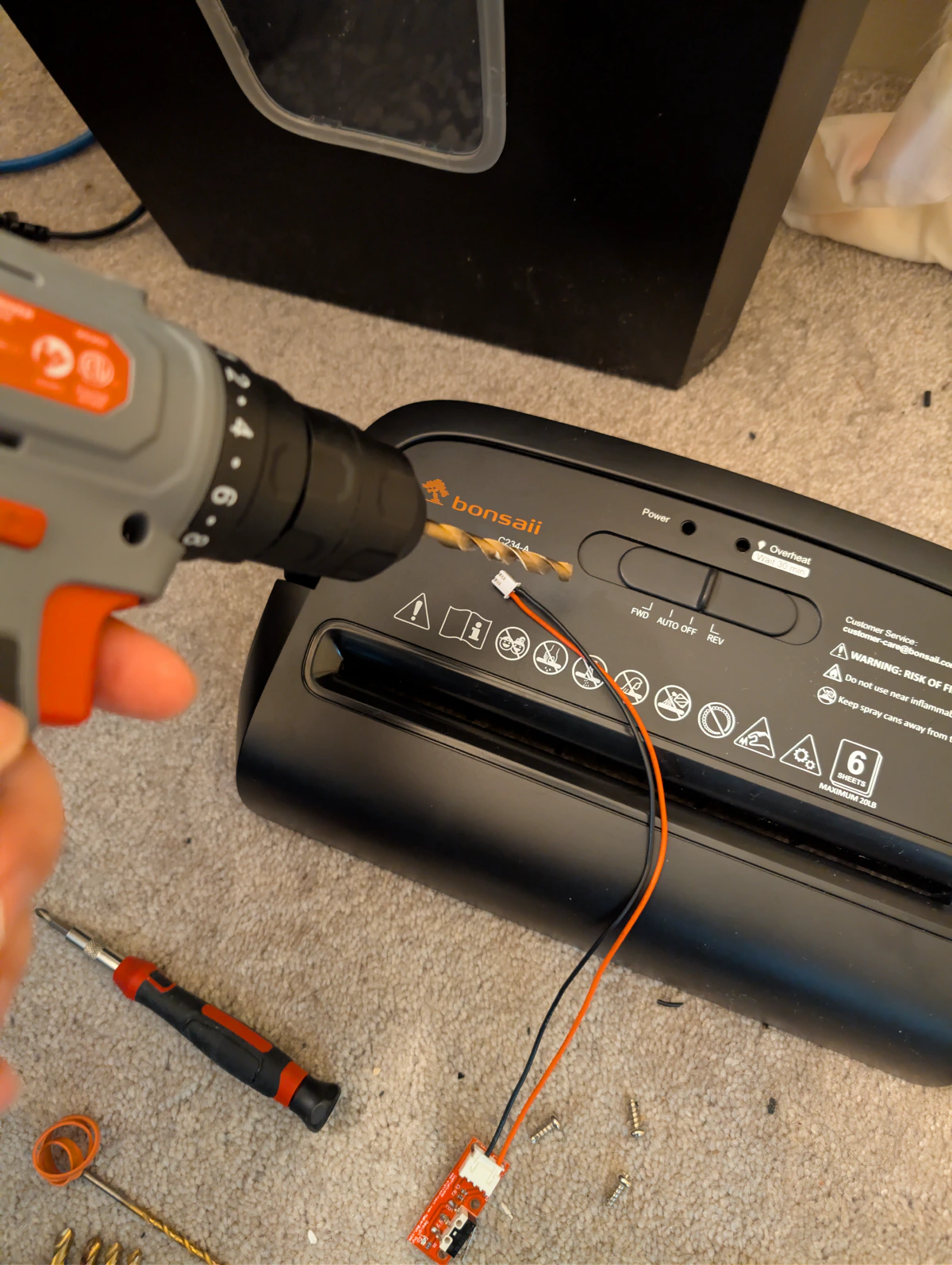
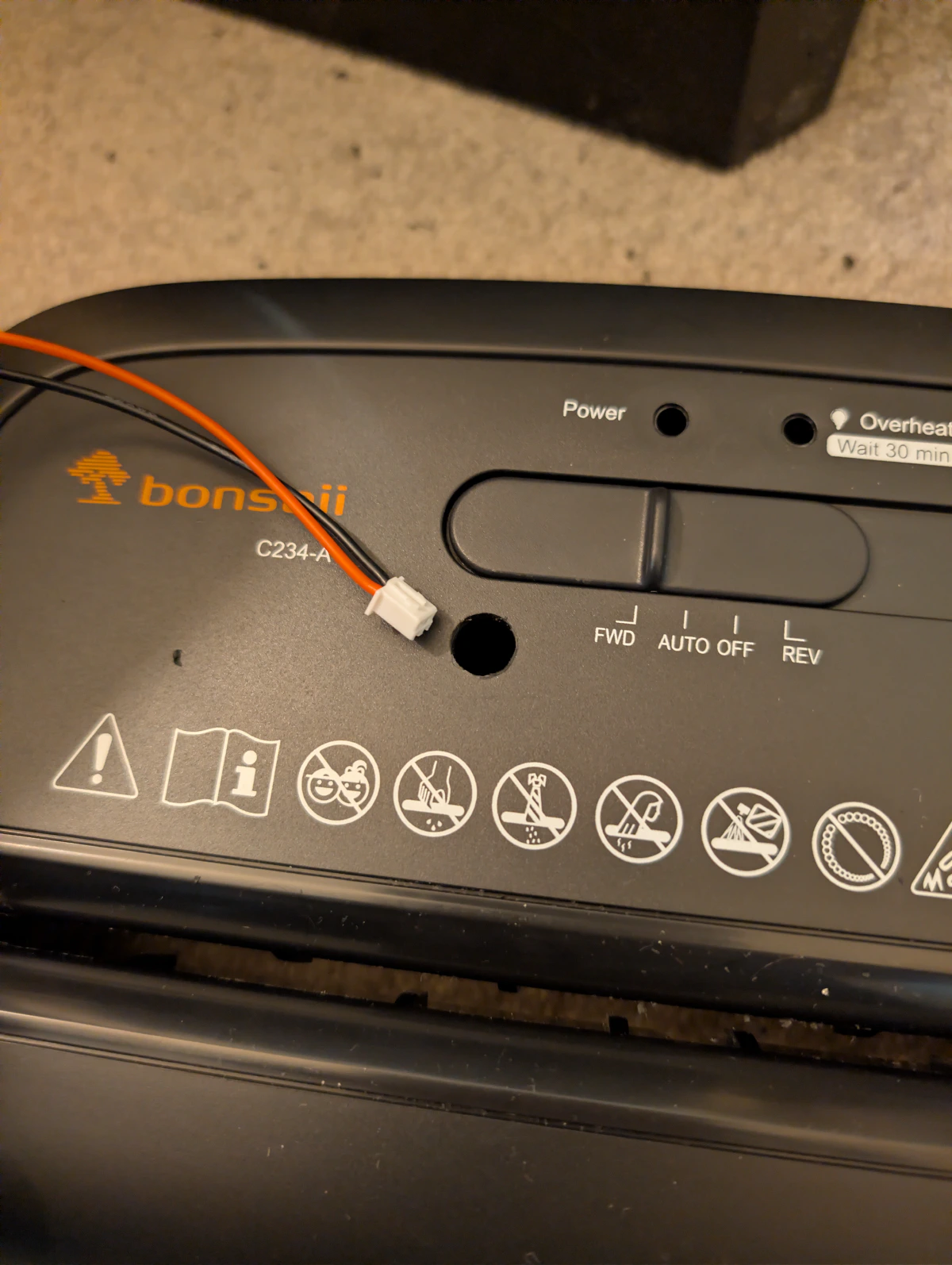
Shredders were harmed in the making of this blog post.
The Drop Mechanism:
A rotating servo arm serves two purposes: it drops the document and then hits our added limit switch (turning the shredder on). After a 5 second delay, the servo returns to its normal position, releases the switch, and turns it off.
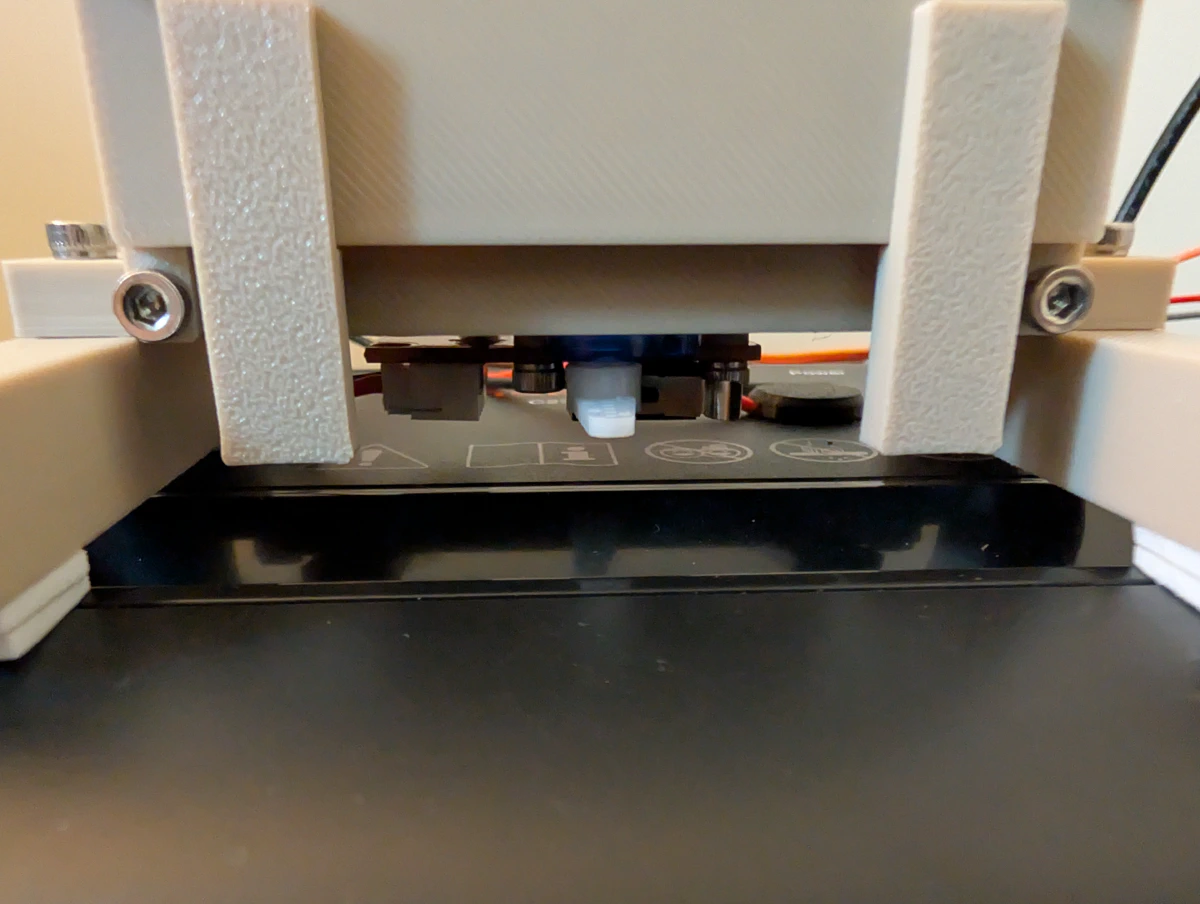
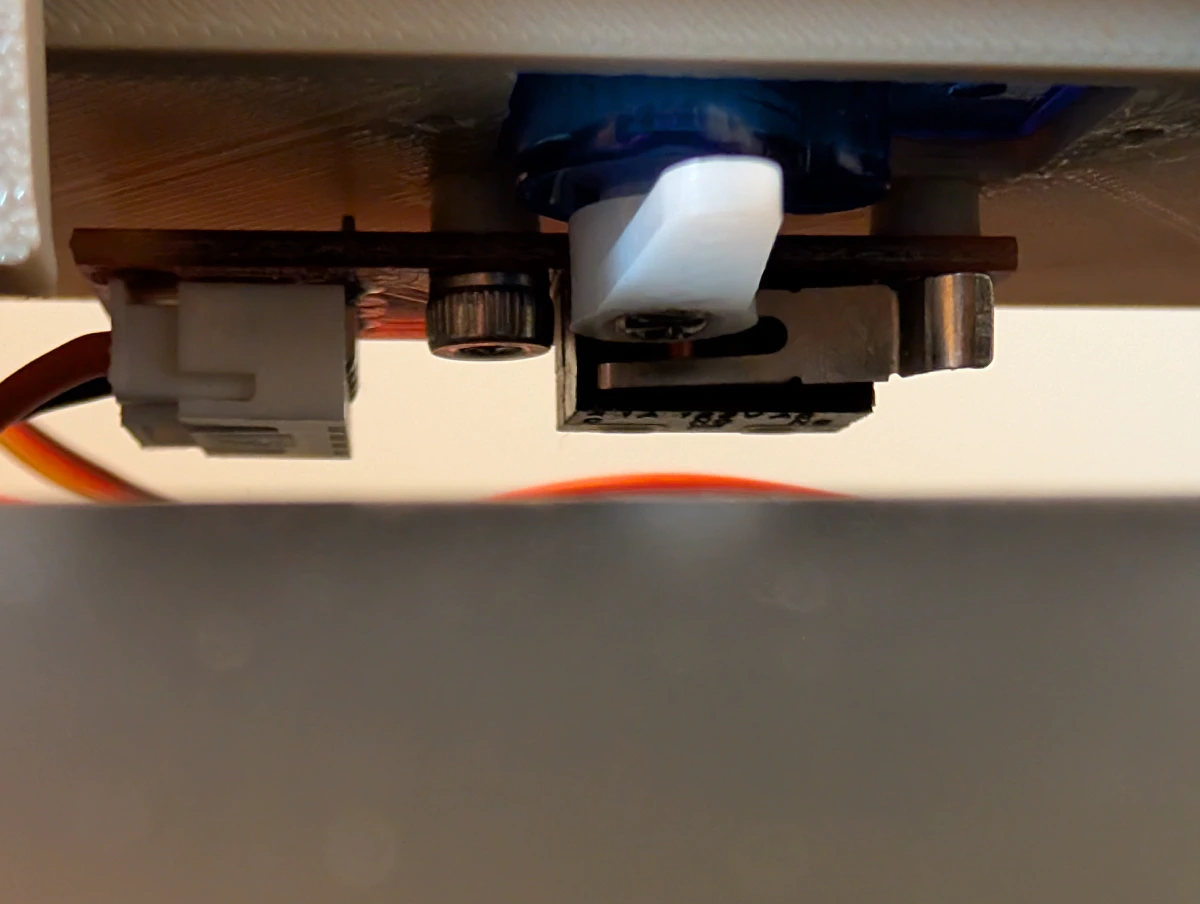
“I love the smell of shredding in the morning. Smells like… victory.”
The Control System:
The drop mechanism is controlled by a NodeMCU ESP8266 microcontroller with an OLED module (SSD1306). The display shows the current time and a countdown to hardcoded activation at 8:00 AM. Everything is powered through the microcontroller’s microUSB cable and a 5V DC wall-wart.
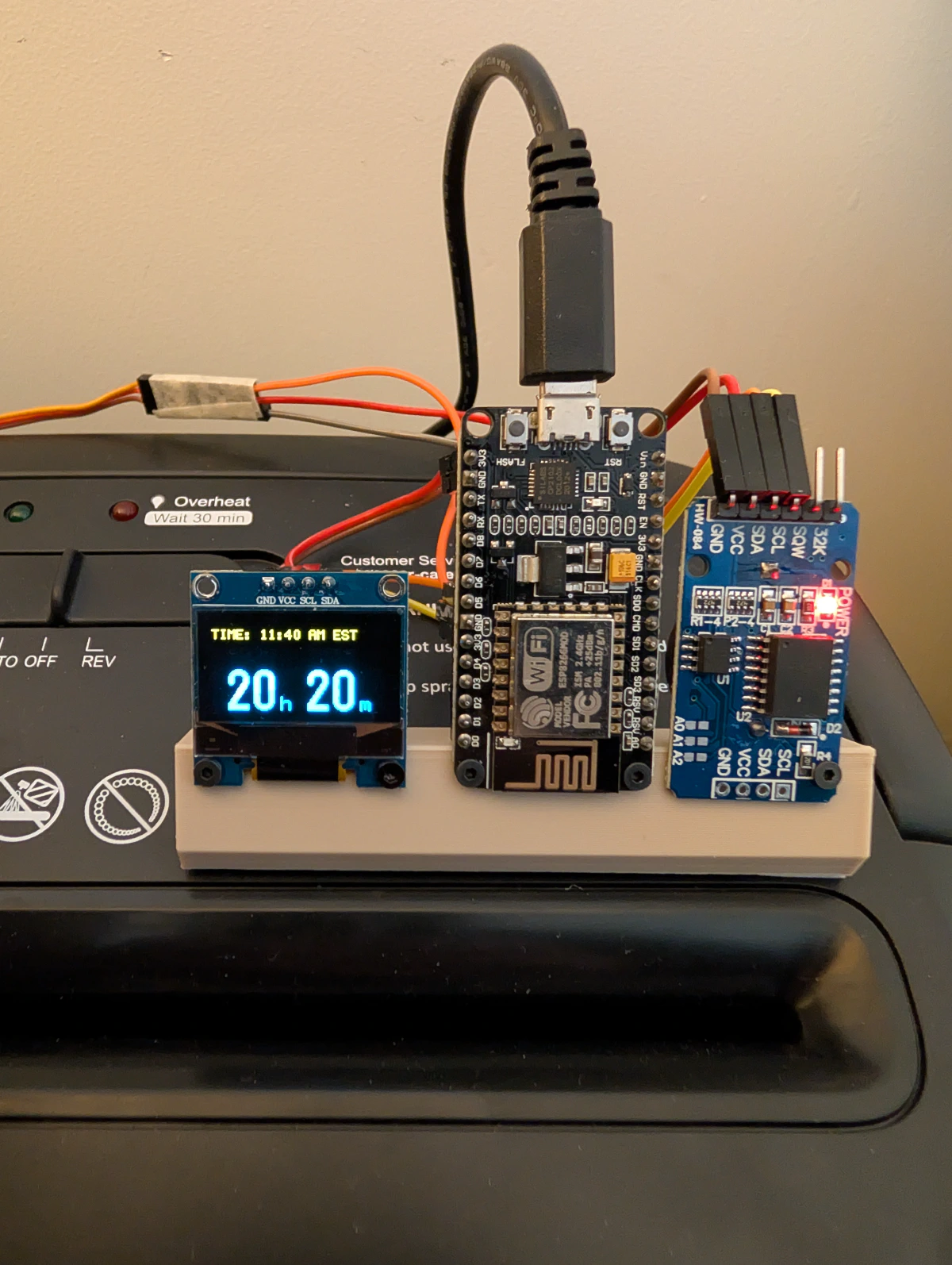
Microcontrollers are capable of time-delays, but they lose track when they are unplugged from their power source. We can use a Real-Time-Clock module (DS3231) to persistently store the time/date and account for Daylight Savings. The RTC module has its own battery (CR2032 coin cell), so power interruptions will not affect it.
The device is fairly fail-safe. If we lose power, the drop mechanism stays in place, and will not activate. The shredder itself has an auto-shutoff feature, so if the limit switch gets stuck in the “ON” position, it will turn off by itself after 4 minutes and need a manual reset.
This may end up being an expensive project.
Happy April Fool’s!